第139届广交会正在火热进行中,AI、机器人等“中国智造”吸引了全球目光。从“产品出海”到“技术出海”,参展企业带着自主研发的技术和产品亮相,信心满满准备开拓海外市场。随着越来越多企业将核心技术向海外子公司转移,一个关键问题随之而来:“技术是我们自己研发的,拥有完全自主知识产权,海外子公司想怎么用就怎么用。”
这个看似合理的想法,正在成为中企出海不可忽视的“必修课”。
The 139th Canton Fair is currently in full swing, with "Made in China" innovations such as AI and robotics capturing global attention. Moving from "product export" to "technology export," exhibiting enterprises are showcasing their self-developed technologies and products with full confidence in expanding into overseas markets. However, as more companies transfer core technologies to their overseas subsidiaries, a critical question arises: "Since the technology was developed by us and we hold the full independent intellectual property rights (IIPR), can our overseas subsidiaries use it however they wish?"
This seemingly logical assumption is becoming a mandatory "compliance lesson" that Chinese enterprises going global cannot afford to ignore.

(图源:广州日报 / Source: Guangzhou Daily)
一、这个误区有多普遍? / How Prevalent is This Myth?
广泛存在于三类场景:
集团内部技术共享:境内母公司直接向海外子公司提供技术图纸、源代码、工艺流程或技术支持;
核心团队迁移出海:将核心研发团队整体或部分迁往海外,在当地设立研发中心继续研发;
跨境并购中的技术交割:境外主体收购中国科技公司,交易标的包含境内完成研发的核心技术。
This misunderstanding is widely present in three main scenarios:
Intra-group Technology Sharing: The domestic parent company directly provides technical drawings, source code, process flows, or technical support to its overseas subsidiaries.
Relocation of Core Teams: Moving all or part of a core R&D team abroad and establishing overseas R&D centers to continue development.
Technology Delivery in Cross-border M&As: An overseas entity acquires a Chinese tech company, where the transaction includes core technologies developed within China.

(图源:广州日报 / Source: Guangzhou Daily)
二、为什么“自主知识产权”不等于“自由处置”? / Why "Independent IP" Does Not Equal "Freedom of Disposal"
很多企业认为,既然技术是自己研发的、专利是自己的,那海外子公司自然可以自由使用。这里涉及三个关键的法律概念:
Many companies believe that since they developed the technology and own the patents, their overseas subsidiaries should naturally be free to use them. This involves three critical legal concepts:
1、技术所有权≠不受出口管制
一项技术是否受出口管制,取决于其技术参数、性能指标、潜在用途是否落入《两用物项出口管制清单》《中国禁止出口限制出口技术目录》或商务部公告的范围。这与它是由谁研发、谁拥有专利,没有任何关系。
换句话说,即便是企业自主研发的技术,只要其技术指标“踩中”了管制清单的门槛,跨境转移就必须申请许可证。
1. Technology Ownership ≠ Exemption from Export Control
Whether a technology is subject to export control depends on whether its technical parameters, performance indicators, and potential end-uses fall within the scope of the Dual-Use Items Export Control List, the Catalogue of Technologies Prohibited or Restricted from Export of China, or announcements issued by the Ministry of Commerce (MOFCOM). This status is entirely independent of who developed the technology or who holds the patent.
In other words, even for self-developed technology, if its technical indicators meet the thresholds defined in the control lists, its cross-border transfer must be subject to an export license application.
2、向子公司提供技术,同样属于出口管制
根据《出口管制法》第二条的规定,出口管制行为包括两大类:一是从中国境内向境外转移管制物项;二是中国公民、法人和非法人组织向外国组织和个人提供管制物项。这意味着:
境内母公司向境外子公司提供管制技术,构成技术出口;
中国公民无论身处何地,将受管制技术提供给外国主体,也构成出口行为;
跨境并购中涉及向外国个人输出技术,同样构成出口行为。
“给子公司用”不等于“没出口”——只要技术跨越了国境、提供给了外国主体,就可能触发出口管制合规义务。
2. Providing Technology to Subsidiaries Also Constitutes "Export"
According to Article 2 of the Export Control Law, export control actions include two major categories: first, the transfer of controlled items from mainland China to overseas; second, the provision of controlled items by Chinese citizens, legal persons, or non-incorporated organizations to foreign organizations or individuals. This means:
(1) A domestic parent company providing controlled technology to an overseas subsidiary constitutes a technology export.
(2) Regardless of their physical location, a Chinese citizen providing controlled technology to a foreign entity also constitutes an export act.
(3) Providing technology to foreign individuals during cross-border M&As similarly triggers export control obligations.
"Providing it to a subsidiary" does not mean "it hasn't been exported"—as long as the technology crosses a border or is provided to a foreign entity, it may trigger export control compliance duties.
3、管制清单是动态更新的
《中国禁止出口限制出口技术目录》自2001年首次发布以来,已历经多次调整。2025年7月15日,商务部会同科技部再次对《目录》进行调整,涉及电池正极材料制备技术、有色金属冶金技术等新增和修改条目。今年年初,商务部又发布多份公告,将境外稀土相关物项及稀土相关技术纳入许可管理范围。
这意味着,一项去年还“自由”的技术,今年可能就已经被纳入管制范围。企业需要持续跟踪政策变化,避免在无意识中踩雷。
3. Control Lists are Dynamically Updated
Since its first release in 2001, the Catalogue of Technologies Prohibited or Restricted from Export of China has undergone several adjustments. On July 15, 2025, MOFCOM, in conjunction with the Ministry of Science and Technology, adjusted the Catalogue again, involving new and modified items such as preparation technologies for battery cathode materials and non-ferrous metal metallurgy technologies. Earlier this year, MOFCOM issued multiple announcements incorporating overseas rare earth-related items and technologies into the license management framework.
This means a technology that was "free" last year might be subject to control this year. Enterprises must continuously track policy changes to avoid inadvertently violating regulations.
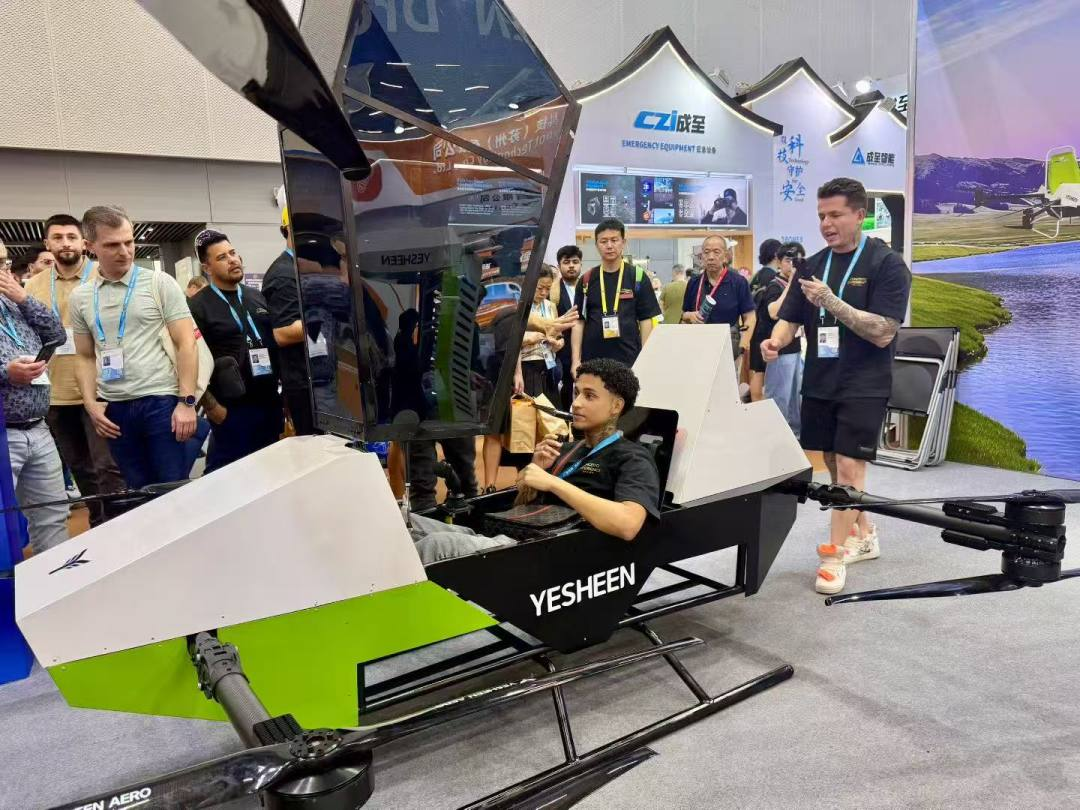
(图源:广州日报 / Source: Guangzhou Daily)
三、给参展企业的启示 / Insights for Exhibiting Enterprises
跨境转移前先做合规评估
在向海外子公司转移任何技术(包括图纸、源代码、工艺流程等)之前,先对照最新版《两用物项出口管制清单》和《中国禁止出口限制出口技术目录》进行合规评估,不要理所当然地认为“自己研发的就可以随便转移”。
建立内部跨部门沟通机制
研发团队精通技术但对管制清单缺乏了解,合规部门了解法规框架却难以深入技术细节。企业需要打通这两者之间的信息断层,在技术跨境转移前共同完成合规评估。
持续跟踪政策动态
管制清单在不断更新,企业应定期关注商务部、海关总署的公告。拿不准的,建议及时咨询专业法律团队,避免“想当然”直接转移。
Conduct Compliance Assessments Before Cross-border Transfer
Before transferring any technology (including drawings, source code, process flows, etc.) to an overseas subsidiary, conduct a compliance assessment against the latest Dual-Use Items Export Control List and the Catalogue of Technologies Prohibited or Restricted from Export. Do not take for granted that "what we developed can be transferred freely."
Establish Internal Cross-departmental Communication
R&D teams are experts in technology but may lack knowledge of control lists, while compliance departments understand the regulatory framework but may struggle with deep technical details. Enterprises need to bridge this information gap and complete joint compliance assessments before technology is transferred abroad.
Continuously Track Policy Dynamics
Control lists are constantly updated. Enterprises should regularly monitor announcements from MOFCOM and the General Administration of Customs (GACC). When in doubt, it is highly recommended to consult a professional legal team to avoid "assuming" that a transfer is permissible.

(图源:广州日报 / Source: Guangzhou Daily)
结语 / Conclusion
尽管参展商在广交会上大放异彩,但出海路上也别栽在“想当然”上。自己的技术,不代表就能随便给海外公司用。跨境前问一句“合规吗”,少踩很多坑。
While technologies may shine at the Canton Fair, ensure your global expansion doesn't falter due to "common sense" assumptions. Owning the technology does not mean you can freely provide it to an overseas company. Asking "Is this compliant?" before crossing the border can save your business from significant legal pitfalls.